EMERGENCIES AND HUMANITARIAN CRISES
All children have a right to protection, security and access to rights and needs, and even more so in an emergency context.
REDESIGN THEIR LIVES
CHILDREN IN EMERGENCIES
We want every child who has lived or is living in an emergency or humanitarian crisis to be protected. We want them to be able to continue their education. We want them and their families to get their lives and dignity back as soon as possible.
Relieving their suffering, preserving their dignity and ensuring their rights and needs is urgent.
IN THE FACE OF EVERY EMERGENCY, WE PROVIDE:
** Humanitarian action is guided by the international legal framework that includes the United Nations Convention on the Rights of the Child (UNCRC) and Human Rights. Educo’s work is also based on humanitarian principles and quality and accountability standards such as the Core Humanitarian Standard, Sphere, the INEE Minimum Standards and the ‘Minimum Standards for the Protection of Children and Adolescents in Humanitarian Action’ (CPMS).
WOULD YOU LIKE TO FIND OUT MORE ABOUT OUR WORK IN EMERGENCIES?
Our humanitarian action, where it is needed the most
Humanitarian crisis in Gaza
Since the escalation of violence between the occupied Palestinian territories and Israel on 7 October, Educo has been concerned about the grave situation of children and adolescents in the region. As experts in emergency education, we know that they are the ones who suffer the most in this type of conflict.
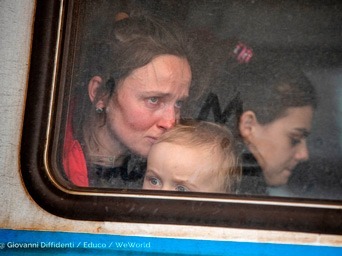
Emergency in Ukraine
We have been present in Ukraine since 2004 through ChildFund and since 2014 our involvement has grown significantly. We have adapted our programs to the situation and extended our area of operation to Moldova as well.
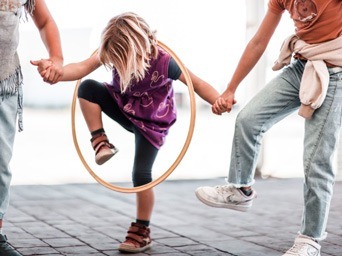
Recovery in La Palma
Following the eruption of the La Palma volcano, many children lost their homes and schools. At Educo we focus on providing psychosocial support to all these children, so that they can recognise their emotions and better manage their feelings and sensations. We help them to deal with anxiety and stress through art therapy.
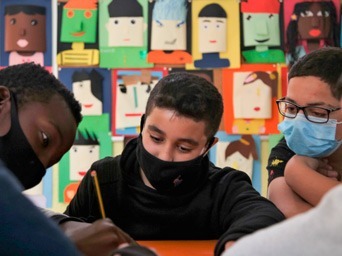
COVID 19: a global pandemic
The report COVID-19: Impact of the pandemic and its impact on education we published shows that the pandemic affected the whole world, but not in the same way. This crisis is particularly affecting children and adolescents in vulnerable situations, who were already in a very complex context.
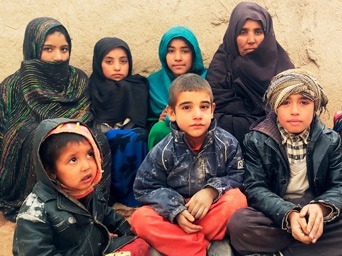
Afghanistan: helping mothers who are heads of households to buy food
Following the return to power of the Taliban in Afghanistan, the vulnerability of its inhabitants has only increased. We are talking about a country where 95% of the population suffers from hunger, and where women and girls are particularly vulnerable to violence and lack of protection.
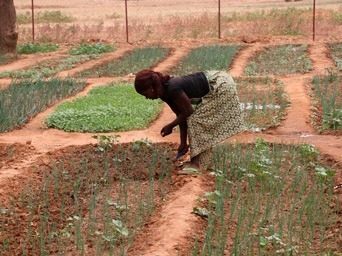
Sahel: committed to safe education
The needs of the 20 million people living in the conflict-affected areas of Burkina Faso, Mali and Niger are growing, and improving the humanitarian situation is a real challenge, but we cannot desert them. That is why Educo is present in the area carrying out Education in Emergencies activities.
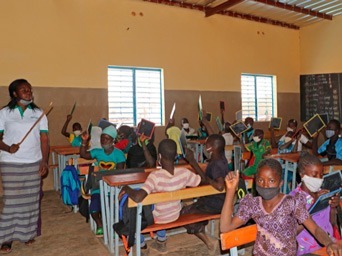
Ethiopia: protecting internally displaced children
More than 20 million people are currently in need of humanitarian assistance in the country as emergencies and disasters have increased in intensity, frequency and impact. Ongoing armed conflicts, inter-communal violence, climatic shocks (desert and floods), desert locusts and disease outbreaks, including COVID-19, remain the main drivers of humanitarian needs in Ethiopia since 2019, which has exacerbated child poverty in the country.
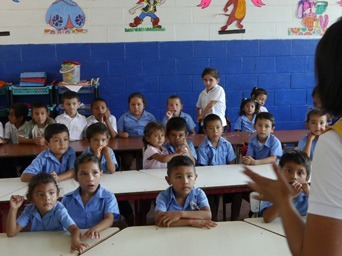
El Salvador: an invisible crisis affecting thousands of people
Although it is not war as such, there are other forms of violence perpetrated by maras and gangs, which generate the same consequences as armed conflict in terms of deaths and displacement (in El Salvador, in 2019 alone, more than 450,000 people were displaced by gangs).
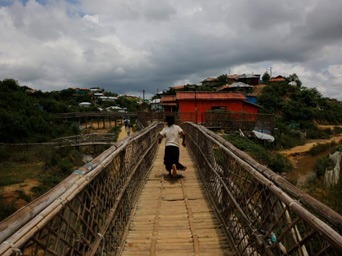
Bangladesh: standing with the Rohingya refugees
Educo, in order to address the needs of the children living in Cox’s Bazar, has a presence with education and protection programs, and we also focus on activities against gender-based violence. These programs have been set up in the refugee camps where the Rohingya population lives, as well as in the host communities. Training in law as well as life skills (such as sewing), leisure activities and psychosocial support are provided.

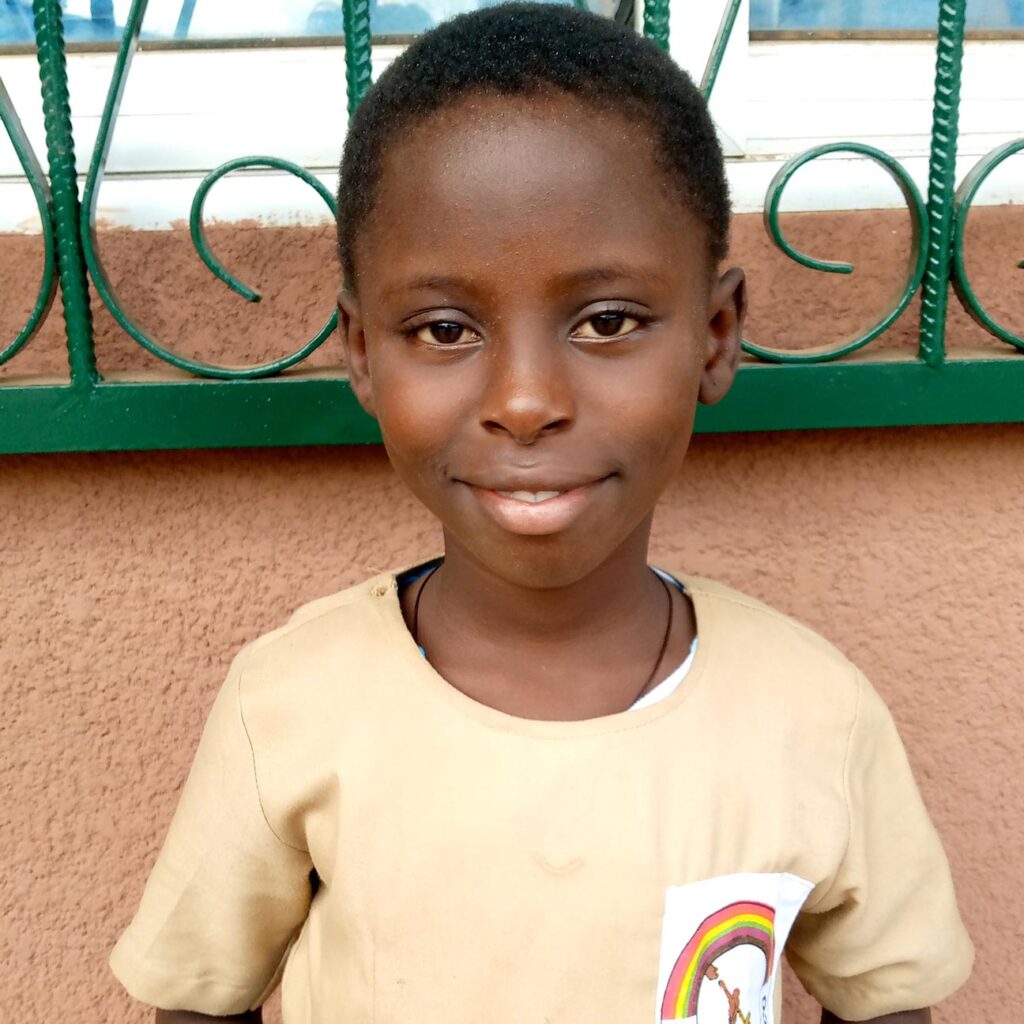
“Now I feel very well because I feel fulfilled and accompanied.”
BENÍN
DIVINE, 10 YEARS OLD,